
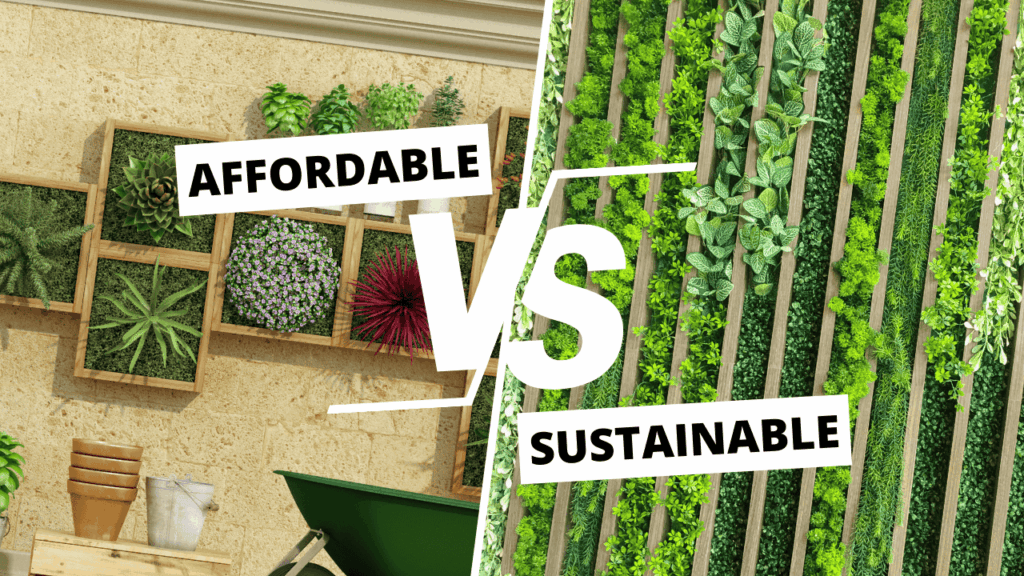
When clients or developers ask for “affordable” landscaping in NYC, the conversation often centers on upfront installation costs. But as many experienced landscapers in New York know, the true cost of greenery reveals itself over time — in labor, maintenance, and the sustainability of the design choices made at the start.
Labor as the Largest Cost Driver
Labor isn’t just a line item — it’s one of the biggest expenses in landscape management. When projects are underbid with labor cuts, it often leads to shortcuts: poorly prepared soil, rushed planting, or inadequate establishment care. These shortcuts save money on paper but create a cycle of higher replacements and long-term expenses.
Maintenance: The “Invisible” Budget Line
Maintenance is often sold as low-cost or “minimal,” but real-world data shows otherwise. A study from the University of Texas highlights how trees and plantings neglected after installation suffer higher mortality, leading to higher replacement costs and reduced ecosystem benefits [1]. Landscapes that appear cheap at installation often cost more to sustain over 5–10 years than well-planned, adequately maintained ones.
The False Economy of Cutting Corners
Research emphasizes the life-cycle cost of landscapes, showing that projects designed for short-term savings often create long-term maintenance burdens [2]. Irrigation systems that aren’t calibrated, plant palettes chosen without regard for site microclimates, or soil prep skipped to reduce costs all come back as hidden expenses. The “affordable” option ends up being the more expensive path over time.
When Neglect Undermines Sustainability
Reports show that poorly maintained landscapes decline quickly, reducing both community use and long-term value [3]. In New York, where green infrastructure like rain gardens and bioswales are part of stormwater management, the city’s own DEP reports underscore the same risk: neglecting maintenance undermines the ecological function and investment value of green infrastructure [4]. Sustainability is not only about planting but about consistent stewardship.
Building the Case for True Sustainability – Landscaping in NYC
For professional landscapers, green wall installers, and urban landscape architects in New York, the challenge is communicating this reality to clients:
- Labor and maintenance are not optional add-ons — they’re the backbone of a functioning landscape.
- Cutting corners creates hidden costs that outweigh the initial “savings.”
- Truly sustainable landscapes are designed and budgeted with long-term care in mind.
Framing landscapes as living systems, not static installations, allows us to advocate for budgets that support health and resilience rather than short-term optics.
At Eco Brooklyn, we believe that true sustainability goes beyond the initial price tag. By investing in thoughtful design, quality plant selection, and proper labor and maintenance from the start, clients can achieve landscapes that thrive for decades — reducing long-term costs, enhancing urban ecosystems, and delivering real value. Affordable greenery is only truly affordable when it is smart, resilient, and cared for properly.
References
[1] https://soa.utexas.edu/sites/default/files/documents/belaire-et-al.-2023.pdf
[3] https://arch.umd.edu/sites/default/files/docs/AnalysisBenefitValues.pdf