
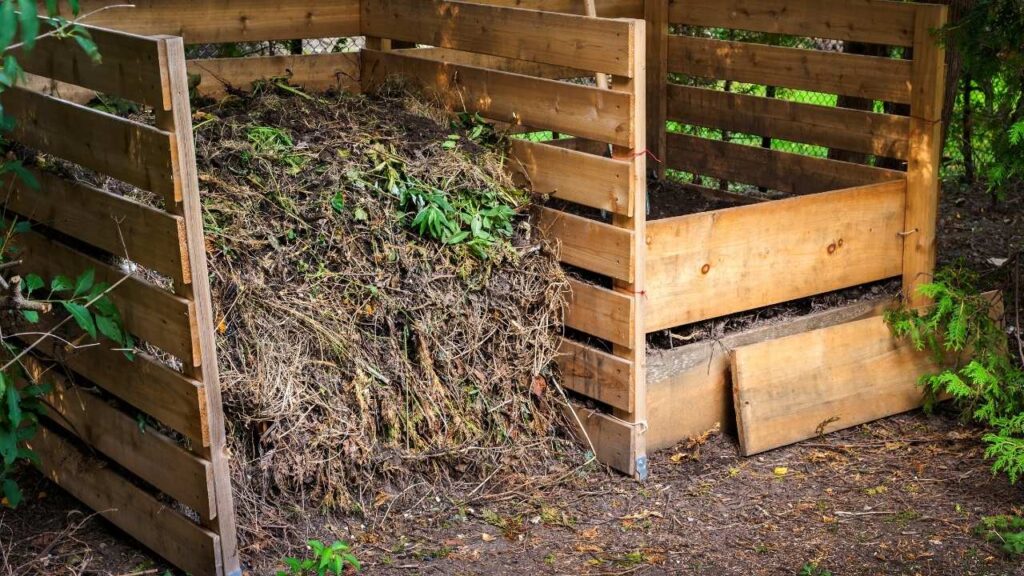
In traditional landscaping, decay is treated like a problem. Fallen leaves are bagged up. Rotting logs are hauled away. Mushrooms are poisoned. But in an ecologically designed landscape, decay isn’t something to get rid of, it’s part of the plan.
For professional landscapers in NYC and beyond aiming to build resilient, low-input, and ecologically functional spaces, the role of decomposers—fungi, bacteria, insects, and other soil organisms—can’t be ignored. This article makes the case for embracing dead material, designing for decay, and letting the rot do the work.
The Hidden Workforce Beneath Our Feet
Every living system depends on the breakdown of organic matter. Without decomposition, nutrients don’t cycle, soil doesn’t build, and plant roots can’t absorb what they need. Yet many landscapers unintentionally disrupt this process by over-cleaning, over-mulching, or using non-biodegradable materials.
Key decomposer groups:
- Fungi: Break down lignin in wood, crucial for log decay
- Bacteria: Rapid breakdown of soft plant matter
- Invertebrates: Earthworms, beetles, ants, and isopods physically shred and aerate material
These organisms improve soil texture, moisture retention, and fertility (often more effectively than synthetic fertilizers ever could). In urban areas like New York, where green space is limited, professional landscaping that supports these processes can make a big ecological difference.
Dead Wood Is a Living Habitat
Logs, snags, and stumps aren’t eyesores, they’re mini-ecosystems. Insects burrow into the softening core. Mosses and lichens colonize the surface. Birds forage. Amphibians hide beneath.
“Managed urban forests with more dead wood (88 m³/ha) support far higher biodiversity than more sterile city plantings (10 m³/ha) (ref)”
Design ideas for NYC landscaping:
- Integrate log piles or stump clusters into shady, damp corners of rooftop gardens or backyards
- Use standing snags as sculptural habitat features
- Place branch bundles in tucked-away spots to support beetles and frogs
These elements decompose slowly, supporting life over months and years, and adding valuable carbon to the soil.
Leaf Litter: More Than Just Mess
Leaf blowers may be the enemy of urban ecology. That “messy” layer of fall leaves actually:
- Protects soil from erosion
- Insulates plant roots through freeze/thaw cycles
- Feeds decomposers and mycorrhizal fungi
“Decomposition recycles 69–87% of essential nutrients like nitrogen and phosphorus back into forest soils each year (ref)”
Instead of removal, consider redistribution:
- Rake leaves into planting beds
- Mulch with shredded leaves
- Create “soft paths” through deep leaf zones for access without compaction
You’ll reduce waste, increase soil health, and support overwintering pollinators like fireflies and native bees.
This is especially important for landscaping in New York, where compacted soils and salt runoff from winter streets can make natural soil cycles hard to maintain.
Compost Happens, Whether You Plan For It or Not
Decomposition is a natural process. The question is whether your landscape is helping it happen efficiently or getting in its way.
Passive composting strategies:
- Layering chopped debris between plantings
- Letting spent perennials collapse and feed the soil
- Using hollow-stemmed stalks (like echinacea) as overwintering habitat before breaking down naturally
These approaches require less labor and mimic what happens in forests (nutrient cycling without machines). For NYC landscapers, especially those working in small residential plots or community gardens, this approach offers a low-footprint solution.
The Rot Factor: Managing Client Expectations
Many clients associate rot with neglect. But that mindset is shifting, especially among eco-conscious homeowners, schools, and community projects in New York.
Strategies for reframing:
- Use terms like “habitat logs,” “soil-building mulch,” or “pollinator refuges”
- Highlight long-term savings from reduced hauling and fertilization
- Explain the life cycle supported by each dead element
Showcase examples of well-integrated decay zones that are both attractive and ecologically rich.
Eco Brooklyn’s Approach to Decay
At Eco Brooklyn, a leader in professional landscaping in NYC, we treat decomposition as a design feature. Whether it’s a living wall with decomposing wood substrate, a backyard pond ringed with leaf litter, or a meadow that’s never “cut back,” we plan for decay.
Our philosophy: “Rot is not neglect. It’s a nutrient engine.”
By giving space for fungi, microbes, and insects to do their work, we build landscapes that grow richer over time without constant intervention.
Conclusion: Sustainable Landscapes That Work Like Forests
The healthiest natural systems don’t stay tidy. They fall apart, break down, and rebuild themselves.
As landscapers in New York and beyond, we can fight this—or we can work with it.
Designing for decay means letting nature run part of the show. It means seeing death not as waste, but as the start of the next cycle.
So let the leaves fall. Let the logs stay. And let the rot work for you.
Partner with Eco Brooklyn to design resilient, low-input landscapes that thrive with the power of decay.
References
[1] Korhonen, A., Siitonen, J., Kotze, D. J., Immonen, A., & Hamberg, L. (2020). Stand characteristics and dead wood in urban forests: Potential biodiversity hotspots in managed boreal landscapes. Landscape and Urban Planning, 201, 103855. https://doi.org/10.1016/j.landurbplan.2020.103855
[2] Vaidelys, T., Straigytė, L., & Manton, M. (2020). Effects of Seasonality, Tree Species and Urban Green Space on Deciduous Leaf Litter Decomposition in Lithuania. Sustainability, 12(6), 2210. https://www.mdpi.com/2071-1050/12/6/2210